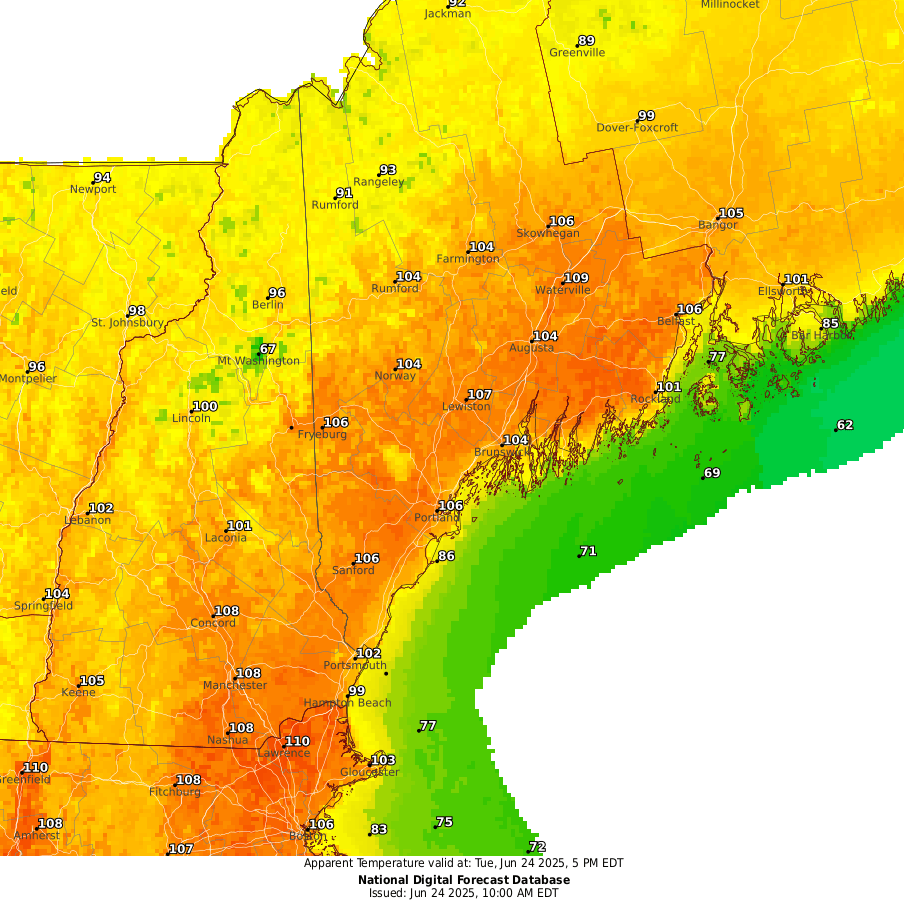
I’m writing this blog on June 24, 2025, which is slated to be one of the hottest on record, with heat indexes across the United States that exceed 100F. These extreme heat events and unusual weather phenomena like heat domes are part of a long list of symptoms of climate change.
This blog and site will deal with a lot of preparation ideas, steps and thoughts, but I thought it would be good to at first outline the major areas of threats that climate change is likely to usher in in the near-term, and the longer term, that we can prepare for. This is long, but not an exhaustive list, but enough to get it out on paper what we’re trying to look at.
Weather events: A direct result of climate changes, the weather we know it will be changing. It is clear that we should expect to see more extreme heat (e.g., heat domes), frequent hurricanes, severe thunderstorms, drought, Nor’Easters and unusual snow and weather patterns, destabilized jet stream (e.g., polar vortexes)
Preparedness includes: Resilience, heating and cooling contingencies, fuel and energy use, minimizing risk from extreme weather, safety around heat, cold and other hazards like hail.
Supply chain instability: An indirect result of climate changes (including drought and factors affecting food production) may include limited access to goods, fresh food, increased prices, difficulty obtaining food, food storage problems, geopolitical factors affecting the supply chain.
Preparedness includes: Food storage strategies for stability, food preservation, reuse and recycling of materials one already has, trading and bartering, new sources of protein, foraging.
Power interruptions: Increased load on electrical grids and related systems in extreme weather may impact and interrupt electricity supplies.
Preparedness includes: Distributed power alternatives (e.g., solar or wind in addition to grid power), battery power storage, backup power generation, backup cold food storage, non-electric means of heating and cooling, lower-energy appliances.
Other ecological changes: Migration and changes to native fauna, increased range of invasive species, changes in insect and pest ranges, threats to timing of key ecological events, threats to pollinators, increased disease vectors.
Preparedness includes: Sustainable pest control, insect mitigation, first-aid preparedness, pet and child safety.
Natural disasters: Fire, hurricanes, severe storms, winter storms, ice storms and Nor’Easters may necessitate evacuation or sheltering.
Preparedness includes: Disaster planning, stocked “go-bags” for emergency evacuations, landscape features to decrease risk (e.g., fire breaks), backup power, lighting, etc., for safety.
While this doesn’t include everything, it does set up a few priorities for me going forward. I am trying to think about these things in terms of priorities. First is to do things that can have the greatest impact in keeping my family (especially my young daughter) safe from direct harm. Second is to work towards being able to absorb sudden shocks (e.g., shortages, price spikes). Third is to make longer-term investments and work towards solutions that can help us to live with stability over the next changing decades.
After all, you have to have somewhere to start, or it can overwhelm you.
 The Nextsteaders